By Taghreed Saadeh
We return to the past because it guides us when confusion grows and standards blur. We revisit it to test the ideas we hold today: Are we still on the right path? Does our compass still point to art as a value in itself, rather than as a follower of fleeting noise? In an era when fame often outweighs quality, and works are judged by awards or audience numbers, returning to the writings of great creators becomes an act of reaffirming meaning.
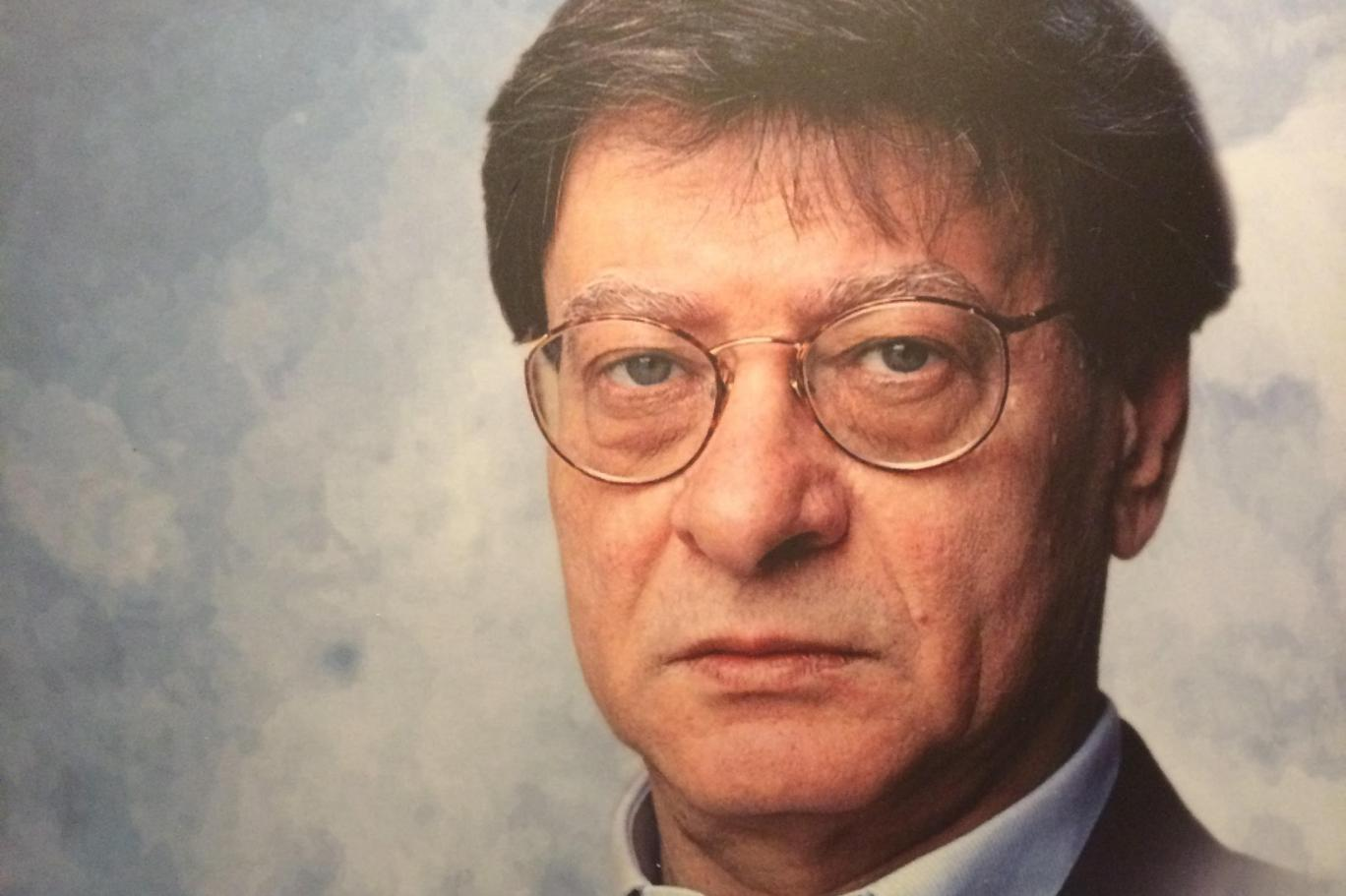
From the archives, we read an article by the late Palestinian poet Mahmoud Darwish, published in 1969 in Al-Tali’a magazine in Palestine. The text transcends its time, touching on wounds that remain open today. Darwish warned against excessive love for the Palestinian cause that might exempt a work from critical scrutiny. He wrote: “Ultimately, what is at stake on the table of inquiry is poetry, not devotion or good intentions.” A decisive statement that separates ethical value from artistic value and restores the importance of genuine criticism.
For Darwish, truthfulness is a foundational pillar of all genuine creativity. It is the ability to live within the event, to engage directly with the Palestinian experience, rather than merely observing it from a distance or presenting it superficially without true immersion. Truthfulness gives a text, film, or literary work authentic strength and creates real connection with the audience, as it stems from a lived awareness of what occurs and a deep sense of place, time, and context. Through it, a writer, director, or poet can navigate between the personal and the collective, between the self and the cause, offering a vision that moves beyond surface events to the depth of human experience. Yet Darwish emphasized that while truthfulness is essential, it is not the only criterion for creativity.
This question is even more pressing today, especially regarding Palestine. Not every text written about it, nor every film portraying it, automatically withstands critical scrutiny. The justice of the cause does not exempt the work from artistic responsibility, and ethical commitment does not compensate for weak vision. In an age of proliferating festivals and rapid social media attention, the risk is doubled: works may become fleeting events, consumed in the moment rather than contributing meaningfully to aesthetic and human understanding.
Through long-standing reading, observation, and immersion, we have learned that creativity is not merely a wave of empathy or a transient effect of applause; it is a structured construction of idea, image, and rhythm. Without this awareness, we lose part of what Palestine means in art, leaving it vulnerable to symbolic consumption—except in rare cases.
Revisiting Darwish’s article today is a reaffirmation of a standard. It reminds us that true love for the cause does not lie in sanctifying what is written about it, but in subjecting it to the highest level of scrutiny. Truthfulness, when combined with artistic awareness, remains the only force capable of transforming the Palestinian experience into a lasting creative work even after the cheering fall silent.
 15 Total Count