By Taghreed Saadeh
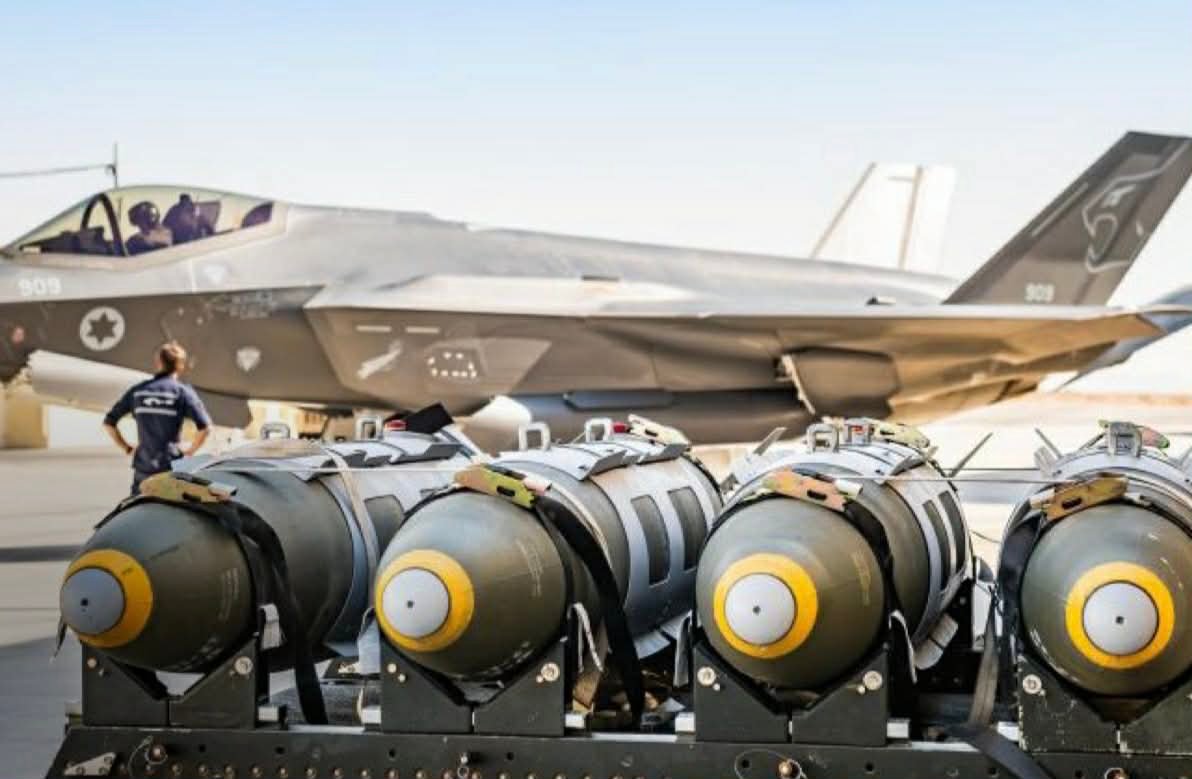
A recent report revealed the existence of a secret military supply route from Canada to Israel, showing that Canadian military components, including F‑35 aircraft parts and certain explosives, continue to reach Israel via the United States despite the Canadian government’s announced arms export ban.
The documents indicate that many shipments of aircraft parts and ammunition pass through U.S. factories and companies before arriving in Israel, taking advantage of what the report describes as a legal loophole in Canadian export laws.
The report notes that some of the exported materials include combustible explosives and ammunition manufactured in Canada, as well as European-sourced materials transported through Canada to U.S. factories before being shipped to Israel. These operations occur along different commercial routes, sometimes involving shipments on commercial passenger flights, according to customs data and open-source information.
The report was prepared by a coalition of Canadian and international civil society organizations, including World Beyond War, Palestinian Youth Movement, and Arms Embargo Now, aiming to highlight the regulatory loophole and urge the Canadian government to impose a comprehensive arms export ban to Israel.
Key Findings of the Report:
Hundreds of shipments of Canadian military components and explosives, including essential F-35 aircraft parts and materials for large bombs, reached U.S. weapons factories and were then directly transferred to Israel.
34 shipments of aircraft components sent by Lockheed Martin’s U.S. factories were forwarded to the Israeli Ministry of Defense after receiving corresponding shipments from Canada.
360 shipments of F-35 parts were sent from Canadian companies to the main assembly line in Texas.
150 shipments of explosives from Quebec were transferred to U.S. factories producing MK-84 bombs, 155mm shells, and tank rounds used in Gaza.
Canada acted as a “transit corridor” for European explosives: 433 shipments of European-made TNT passed through the port of Saguenay, Quebec, before being sent to U.S. bomb factories supplying Israel.
Ammunition (bullets) was exported directly to Israel: according to the report and Israeli customs data, 421,070 rounds were shipped from Canada to Israel between 2023 and mid-2025.
The report also addresses government misinformation. While the Canadian government has repeatedly stated that it does not allow Canadian weapons to reach Israel, the data in the report indicates otherwise. Most exports did not require permits due to the U.S. loophole, and the government is alleged to have neglected monitoring these transfers.
Regarding legal and ethical considerations, the report emphasizes that as a party to the Arms Trade Treaty, Canada should prevent the transfer of weapons that could be used in war crimes or acts of genocide. The report asserts that Canada violates these obligations by enabling the flow of components used in attacks on Gaza.
Recommendations:
Impose a comprehensive ban on arms exports and imports to Israel under the Special Economic Measures Act (SEMA).
Amend Canadian export laws to close the U.S. loophole.
Cancel military contracts with Israel and revise government procurement policies to avoid supporting companies involved in violations.
The report concludes that Canada remains deeply involved in Israeli military operations through the manufacture of military components, providing a transit route for explosives, and the lack of oversight on exports to the U.S., calling for urgent reforms to end this complicity.
The report also directly accuses the Canadian government of misleading the public: official statements about freezing export permits do not cover shipments routed through the U.S., meaning that exports have effectively continued.
In response, the Canadian government stated that any export permits for military goods to Israel have been denied since January 2024, and all previous permits have been frozen. Any violations of these laws would face strict penalties. The government also noted that some claims in the report are misleading or inaccurate, including the characterization of certain exported materials as live ammunition, when in fact they are training equipment or materials that cannot be used directly in armed conflicts.
The Canadian government’s decision to ban arms exports to Israel came against the backdrop of escalating Israeli military operations in Gaza, which resulted in civilian casualties, including women and children. The decision also reflects Canada’s international obligations under the Arms Trade Treaty and humanitarian law, which prohibit the export of weapons to areas where they might be used to commit war crimes or other violations against civilians.
 82 Total Count