By Taghreed Saadeh
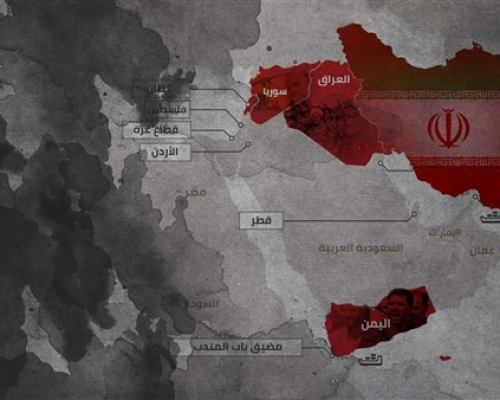
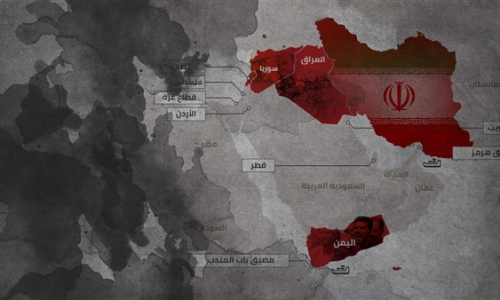
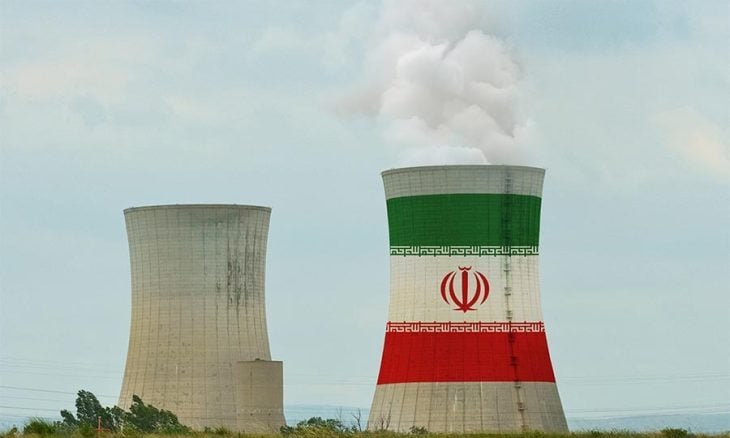
On June 23, 2025, Iran launched ballistic missiles at the U.S. military base in Al-Udeid, Qatar, amid escalating tensions between Tehran and Washington. Although the attack occurred on the territory of an Arab country long considered one of Hamas’s key allies, the movement chose silence—failing to issue even a symbolic statement condemning the attack or expressing solidarity with Qatar.
This silence cannot be interpreted as neutrality. On the contrary, it carries clear political messages: Hamas has prioritized its strategic alliance with Iran over its long-standing relationship with Qatar, which has offered the movement crucial support for nearly two decades.
Since 2007—when Hamas broke away from the Palestinian Authority and took military control of Gaza—Qatar was one of the few countries to openly support the movement, alongside Turkey. The relationship deepened in 2008 and 2009 following the Israeli assault on Gaza, when Qatar invited Hamas leader Khaled Meshaal to attend the Doha Summit and seated him beside then-Emir Sheikh Hamad bin Khalifa Al Thani. Qatar pledged substantial funds for Gaza’s reconstruction, and in 2012, the Emir and his wife made a historic visit to Gaza—the first by an Arab head of state.
Following this unprecedented gesture, Doha opened its doors to Hamas leadership, hosting figures such as Ismail Haniyeh and providing monthly financial aid of $30 million to Gaza, coordinated with the United Nations and Israel. This funding covered civil servant salaries, fuel purchases, and aid for vulnerable families.
Qatar also served as the primary mediator between Hamas and Israel, particularly during ceasefire negotiations and periods of escalation, including the most recent war on Gaza.
Yet Iran’s recent missile attack on Qatari soil—and Hamas’s complete silence in response—has raised serious questions among political observers about the nature of Hamas’s current relationship with Qatar. What does this silence signify?
It is increasingly clear that Iran now represents an indispensable strategic and military ally for Hamas. While Iran has supported the movement since its founding in 1987, its financial and logistical backing reportedly intensified after 2014. According to multiple sources and intelligence reports, Iran provides Hamas with military technology, training, and funding—reportedly reaching $70 million per month, as confirmed in public statements by Hamas leaders, including Ismail Haniyeh.
Viewed through this lens, Hamas’s silence on the Iranian attack appears to be a message of loyalty—one that comes at the expense of its relationship with Qatar. The movement seems determined not to provoke Tehran, even if it means distancing itself from a country that has not only offered political and financial backing but also served as a global platform for defending Hamas on the international stage.
This shift also recalls Qatar’s decision last year—under U.S. pressure—to expel Hamas leadership from Doha. Though the move was delayed due to the ongoing war that began on October 7 and Qatar’s continued role as a mediator, Hamas leaders have already begun seeking alternative host countries, including Mauritania and Iran. The ongoing negotiations with Israel and the U.S. have temporarily justified their presence in Qatar, but that presence appears increasingly temporary.
While some argue that Hamas is attempting to balance Qatar’s political support with Iran’s military backing, the facts suggest otherwise. Remaining silent in the face of an attack on Qatari sovereignty is not balanced diplomacy—it is a clear tilt toward Tehran. It reinforces the conclusion that Hamas now views Iran as its primary strategic partner, especially in light of Qatar’s decision to expel its leaders—a decision likely to be finalized once the war concludes.
In short, Hamas’s alignment with Iran is no longer a tactical maneuver; it has become a central strategic pillar of the movement. As for Qatar—despite all it has offered—it has now become, in Hamas’s eyes, a partner that can be sidelined. The alliance with Tehran is now the priority.
 69 Total Count