by Taghreed Saadeh
We recently watched an episode of Al Jazeera’s programme What Is Hidden Is Greater, which focused on Mohammed Deif, commander of the Izz al-Din al-Qassam Brigades. The recordings and documents presented in the programme raised important questions about who actually made the decision to launch the October 7 attack and who determined its timing. The material, reportedly recorded earlier and preserved by Hamas, shed light on meetings held by the group’s military leadership during the planning process.
According to Al Jazeera, a small military council meeting took place on February 11, 2023, attended not only by military commanders but also by Hamas leader Yahya al-Sinwar, the movement’s political head, alongside Mohammed Deif, known by the codename “Ali”; Marwan Issa, known as “Saad”; Mohammed al-Sinwar, known as “Abu Ibrahim”. The meeting discussed “Project Fahd,” the codename for what later became Operation Al-Aqsa Flood. The participants agreed that preparations should be made, but did not set a date. The operation could still be cancelled if tensions surrounding Al-Aqsa Mosque eased or the situation of Palestinian prisoners in Israeli jails changed.
The programme also revealed details of a six-hour meeting of the Qassam Brigades’ General Staff on October 5, 2023. Chaired by Mohammed Deif, it included several military commanders identified by their codenames: Ali, Saad, Abu Ibrahim, Abu Musa, Yasser, Shaker, Fares, Osama, Abu Mohammed Rafe’, and Abu Anas. According to the programme, this meeting settled the date and made the final decision to carry out the attack on October 7. These details challenge accounts that attribute the planning and decision-making solely to Yahya al-Sinwar, placing Deif at the centre of the preparations and final decision, based on the documents presented.
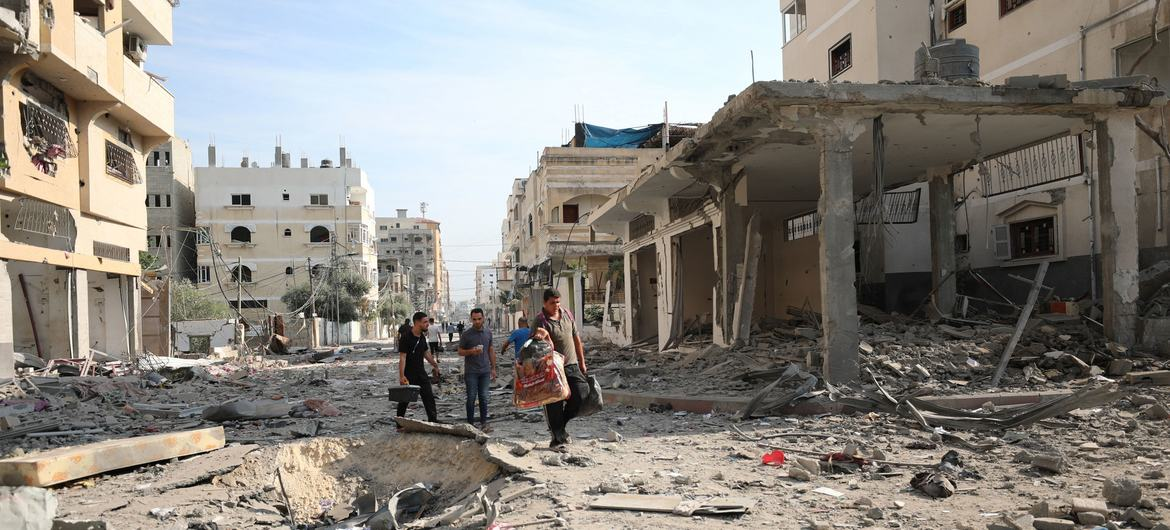
What stands out to me is not only the revelation of who made the decisions, but also the way the programme portrayed October 7 as a military achievement and strategic success. It showed images of Gaza before that date, as though what followed could be left out of the story. What remains of that Gaza today? Where are the cities reduced to rubble, the destroyed homes, the families killed or displaced, and the thousands living in tents amid hunger and disease, following devastation, mass displacement and the return of occupation?
At a time when Palestinians are increasingly calling on Hamas to apologise to the people and be honest about the decisions it made and their consequences, Al Jazeera presents a programme that turns October 7 into a heroic story. It overlooks the devastation, displacement and famine that followed. This is not merely a disregard for people’s suffering; it is an insult to the blood of those killed and to the pain of their families. It reinforces a heroic image of Hamas instead of confronting questions of responsibility and accountability. It is also part of Al Jazeera’s continued role in promoting the movement’s narrative across the Arab world, while ignoring the human catastrophe and the misleading picture created by leaving it out—as though Palestinians and Arabs are expected to celebrate the attack and forget what happened to Gaza afterwards.
The devastation, displacement, famine and return of occupation in Gaza make it necessary to fundamentally reassess Hamas’s role and the alliances it maintained to preserve its political position, regardless of the price paid by the people of Gaza. History will record October 7 not simply as a military operation, but also the disasters and suffering that followed. Presenting all of this as a victory while disregarding the tragedy of an entire people makes it necessary to reconsider Hamas’s continued presence in Palestinian political life and to call for its ban, as several Arab countries have banned the Muslim Brotherhood. Gaza became the Muslim Brotherhood’s first foothold in the Arab region following Hamas’s takeover of the Strip in 2007. Since then, the organisation has continued to use Gaza as part of its political and organisational projects, seeking alliances and arrangements to preserve its influence regardless of the cost to the Palestinian people and their cause.
 2 Total Count