By Taghreed Saadeh
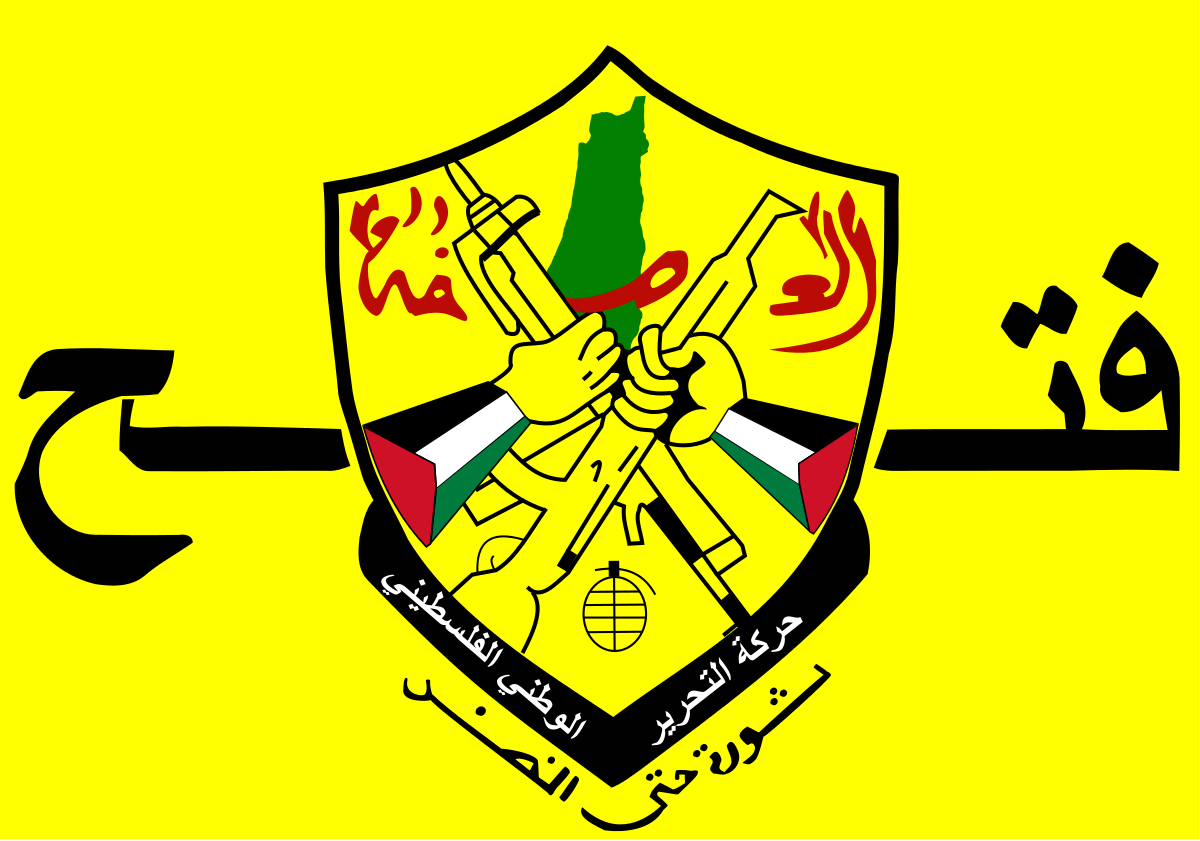
The longstanding Fatah movement, one of the most prominent and influential political organizations in the Palestinian arena, is preparing to convene its eighth conference on May 14, with the participation of 2,582 members. This organizational and political step is considered one of the most significant in years, aiming to restructure the movement’s internal framework and enhance its readiness for the next phase, under the slogan: “Renewed Launch, Resilience, Freedom, Independence.”
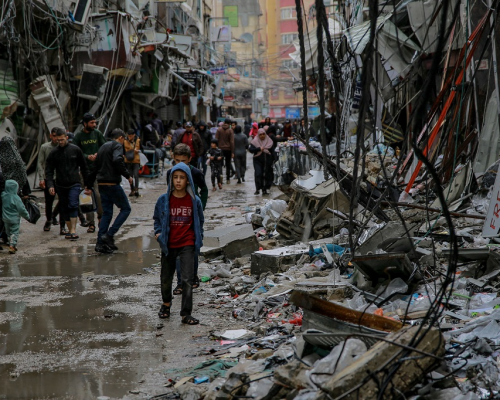
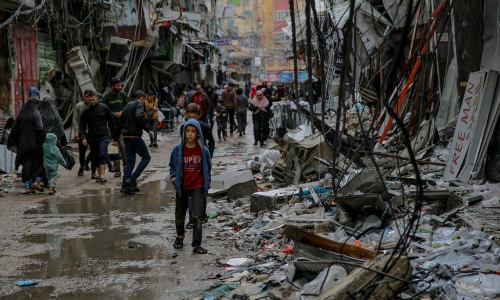
The conference comes amid complex political conditions and accumulated internal challenges. It seeks to elect a new Central Committee and Revolutionary Council, in addition to reviewing the political and struggle program in line with the rapidly changing Palestinian landscape, particularly in light of the war on Gaza and the ongoing escalation by the occupation in the West Bank.
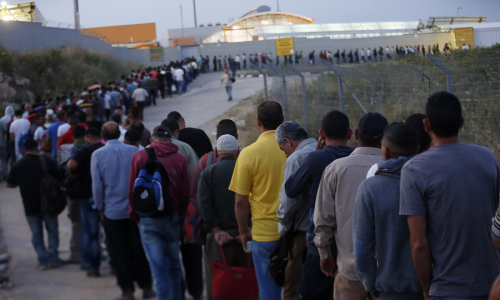
The conference is scheduled to be held through a live-link system connecting four main arenas: Ramallah, Gaza, Beirut, and Cairo, amid concerns that Israeli restrictions may hinder the participation of some members or disrupt the organizational process.
Despite the criticism and allegations Fatah has faced in recent years regarding its political performance and corruption issues, it continues to maintain a broad popular base. Observers believe that part of this image is linked to the situation the movement has endured, including the Israeli siege that sought to undermine its political and organizational influence. Fatah members also point to smear campaigns that have affected its reputation. Meanwhile, some corruption related allegations remain unresolved, prompting the movement in recent years to place greater emphasis on rebuilding its image and strengthening its internal discourse.
In this context, Fatah has worked to expand its media presence across multiple platforms, including Facebook, WhatsApp, TikTok, and YouTube, among other digital channels, in an effort to highlight its activities and allow the Palestinian public to follow the conference directly, while enhancing engagement with different segments of society.
As part of the preparations, Fatah spokesperson Monther Al-Hayek confirmed that logistical and security arrangements have been put in place to ensure the smooth convening of the conference. In statements to “Zaytoun News”, he noted that precautionary measures have been taken to prevent any disruption attempts, while some security details remain undisclosed.
Al-Hayek added that the conference will address a range of key issues, foremost among them the movement’s internal situation and mechanisms for developing its organizational performance. It will also outline the political program for the coming phase, including the nature of the relationship with the occupation, methods of confrontation, countering settlement expansion, and addressing the humanitarian and political situation in Gaza.
He stated that on the third day of the conference, 80 members will be elected to the Revolutionary Council and 18 members to the Central Committee, through a unified voting process without geographical quotas, while ensuring representation from all arenas, including Gaza.
Al-Hayek also confirmed that the conference in Gaza will be held under Fatah’s internal protection, with security presence and oversight from Ramallah, as part of arrangements to ensure smooth and secure proceedings. The Gaza session is scheduled to take place at Al-Azhar University.
Attention is now turning to the composition of the upcoming leadership, amid expectations that several prominent figures will retain their positions in the Central Committee, including Mahmoud Al-Aloul, Jibril Rajoub, Tawfiq Tirawi, Marwan Barghouti, Mohammad Shtayyeh, and Rawhi Fattouh. At the same time, there are prospects for younger figures to rise to leading positions, such as Zakaria Zubeidi, who enjoys significant popularity, and Husam Zomlot, whose political and diplomatic role has become more visible during the war on Gaza. Also among the influential figures is Majed Faraj, head of the Palestinian General Intelligence Service in the West Bank since 2009.
Fatah sources also report that Yasser Abbas, the son of the Palestinian president, is running for membership in the Central Committee, with notable chances of success, particularly given support from the Lebanese arena. Several conference members, including secretaries of external regions, confirmed to “Zaytoun News” that there is no veto against any candidate wishing to run for the Central Committee.
Yasser Abbas has worked alongside his father as a representative of the presidency in external affairs for many years; however, his activity within the Palestinian arena has remained limited compared to other organizational leaders.
Female candidates are also emerging for the Central Committee, with two seats expected to be allocated to women.
Among them are Amal Hamad and Nehaya Abu Shmala from Gaza, and Laila Ghannam and Ola Awad from the West Bank, reflecting a direction toward strengthening women’s representation in decision-making positions.
As is the case in any major and active political organization, Fatah is witnessing notable internal competition for leadership positions, alongside growing calls within the movement for the renewal of leadership and organizational structures. While this competition appears intense, it is widely viewed within the movement as a positive indicator of its vitality and ability to renew itself.
The conference gains additional importance at this sensitive stage in Palestinian history, given the recent developments and the profound political and security transformations they have produced. It is seen as an opportunity to reaffirm the path of resilience, strengthen presence on the ground, and build a more cohesive political vision capable of responding to current challenges while preserving national unity.
Ultimately, Fatah’s eighth conference represents a pivotal moment, not only for the movement’s internal structure, but also for its role within the broader Palestinian political landscape. At a time when there is an increasing need for leadership capable of balancing the pressures of reality with the aspirations of the Palestinian people for freedom and independence.
 69 Total Count