By Taghreed Saadeh
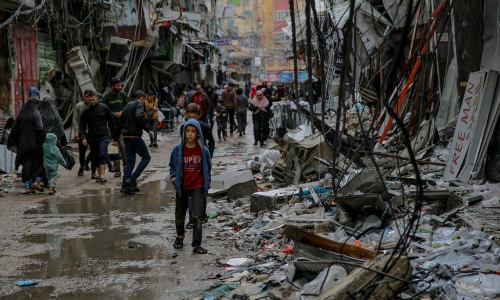
Palestinian sources told “Zaytoun News” that independent youth groups are emerging in Gaza, backed by Palestinian business figures from the Strip based abroad, particularly in Egypt and Europe. The groups are seeking financial and logistical support to prepare for the upcoming legislative elections, focusing on Gaza’s recovery, reconstruction, and development. Although not affiliated with any faction, some are viewed as politically closer to Fatah.
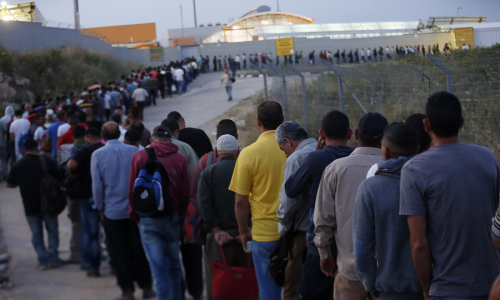
Palestinians in the West Bank, Gaza, and East Jerusalem are preparing for legislative elections on November 28, the first since 2006.
Businessman Bashar Al-Masri welcomed the presidential decree calling for elections, describing it as a step toward renewing legitimacy and strengthening democracy. He said he supports electoral lists based on democratic values, transparency, and fair representation for youth, women, and Gaza.
Political sources suggest the next elections could see a stronger role for independent lists, especially after Hamas announced it would not participate under the current framework. Instead, the movement may support independent candidates or affiliated figures. In 2021, Hamas had prepared to run through the “Jerusalem Is Our Destination” list.
Meanwhile, figures close to Marwan Barghouti are working on a new electoral list led by Qadura Fares and Ahmad Ghneim. Sources close to Barghouti say previous coordination with Nasser Al-Qudwa, who joined the “Freedom” list in 2021, has ended, making his participation in a Barghouti-backed list unlikely unless new political developments emerge.
Within Fatah, consultations are underway to form a 200-member electoral list representing the West Bank, Gaza, and Jerusalem, with around 40% of candidates expected to come from Gaza. Discussions are also ongoing over Fatah’s leadership in Gaza, where Ahmad Helles and Tayseer Al-Bardini are competing for influence, with indications favoring Helles due to his organizational experience.
Palestinian sources also said electronic or online voting is being considered in Gaza and Jerusalem to overcome logistical and political obstacles. The 2021 elections were postponed after the Palestinian leadership said it could not guarantee voting in East Jerusalem.
The amended election law introduces major changes, including expanding the Legislative Council from 132 to 200 seats, lowering the electoral threshold to 1%, reducing the candidacy age to 23, increasing women’s representation, requiring at least 20 candidates per list, and obliging candidates to commit to the PLO’s political program and agreements.
The upcoming elections are expected to reshape Palestinian politics, with independent and youth lists gaining momentum amid declining influence of some leftist factions. Student union elections in the West Bank have reflected this trend, with most left-wing lists failing to secure significant representation, while the PFLP maintained only a limited presence. Hamas’ decision not to participate could further alter the balance of power in the future Legislative Council.
 52 Total Count